

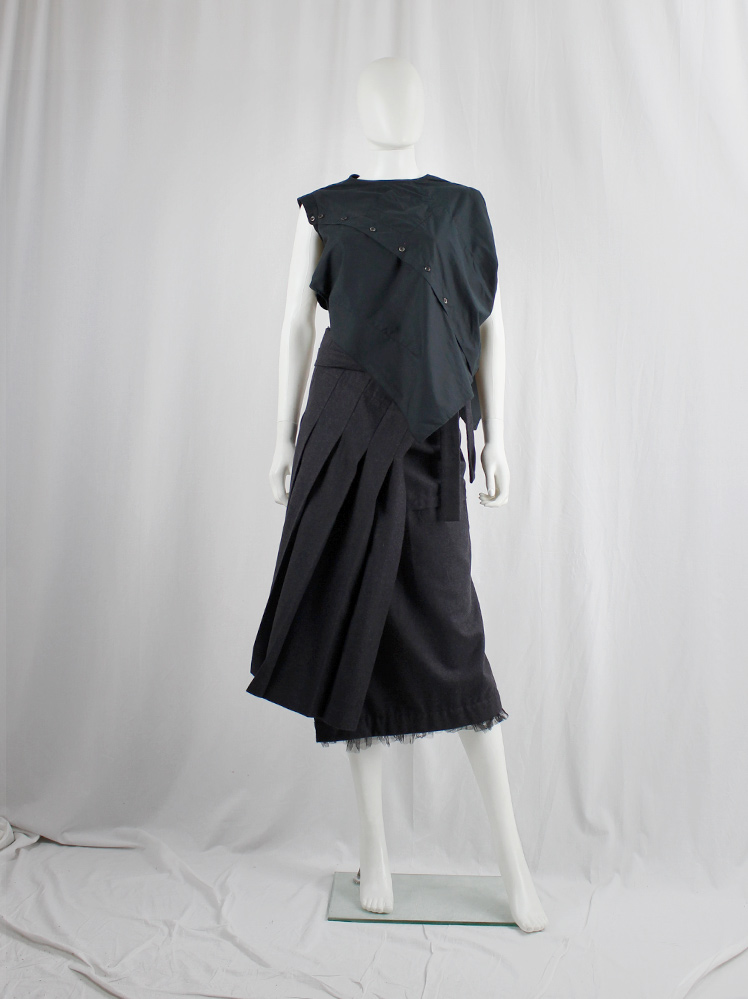
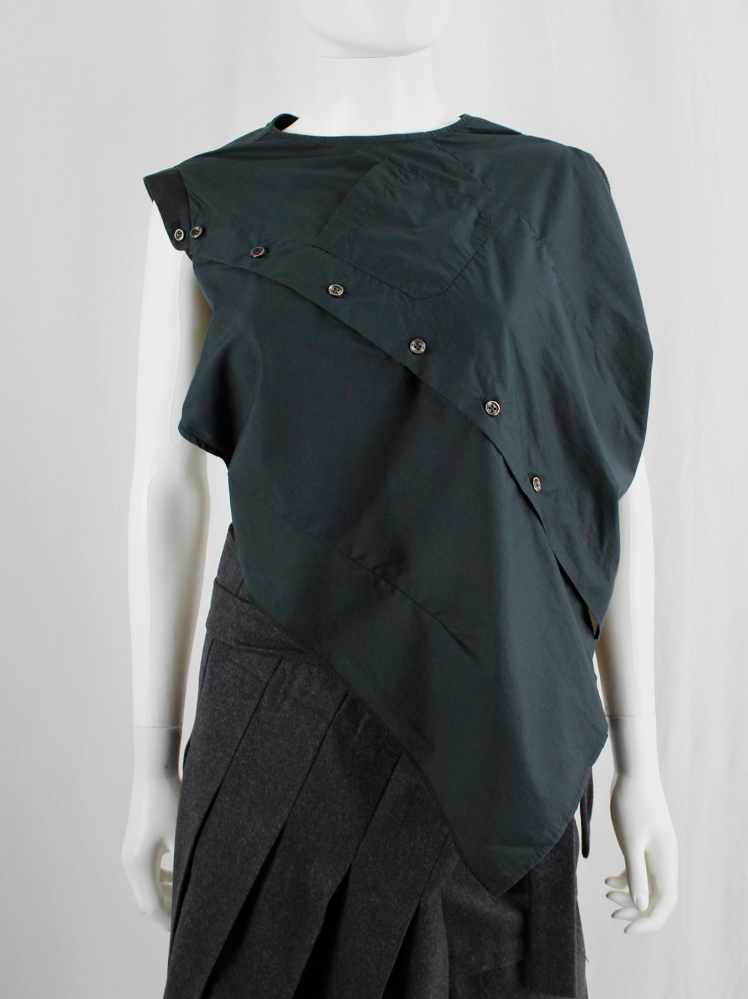

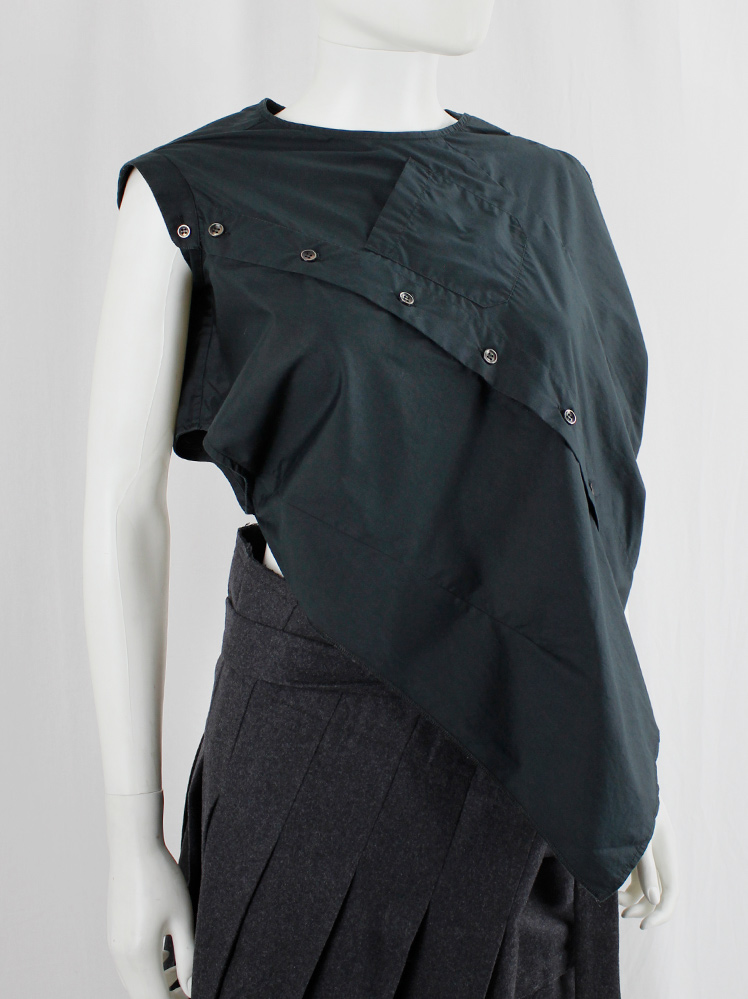
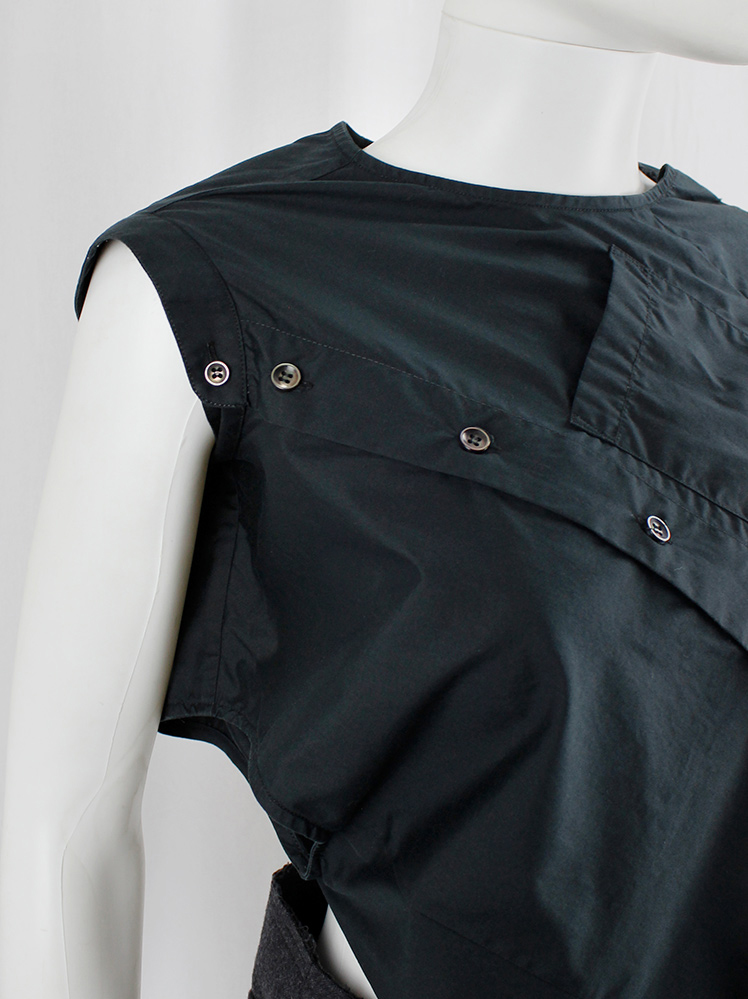
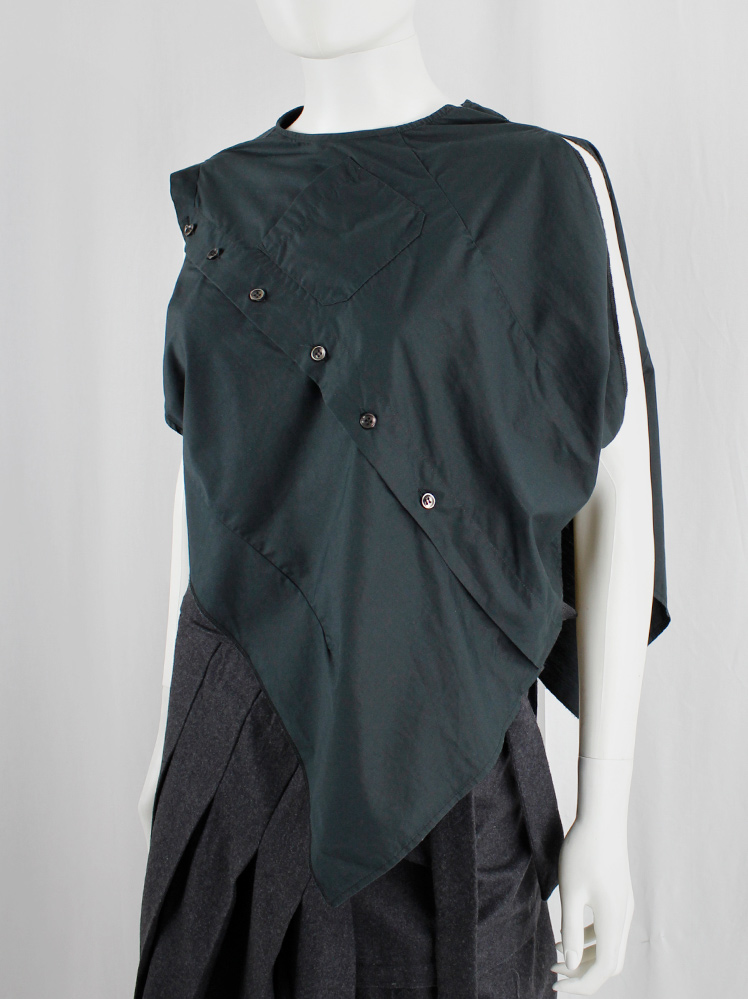
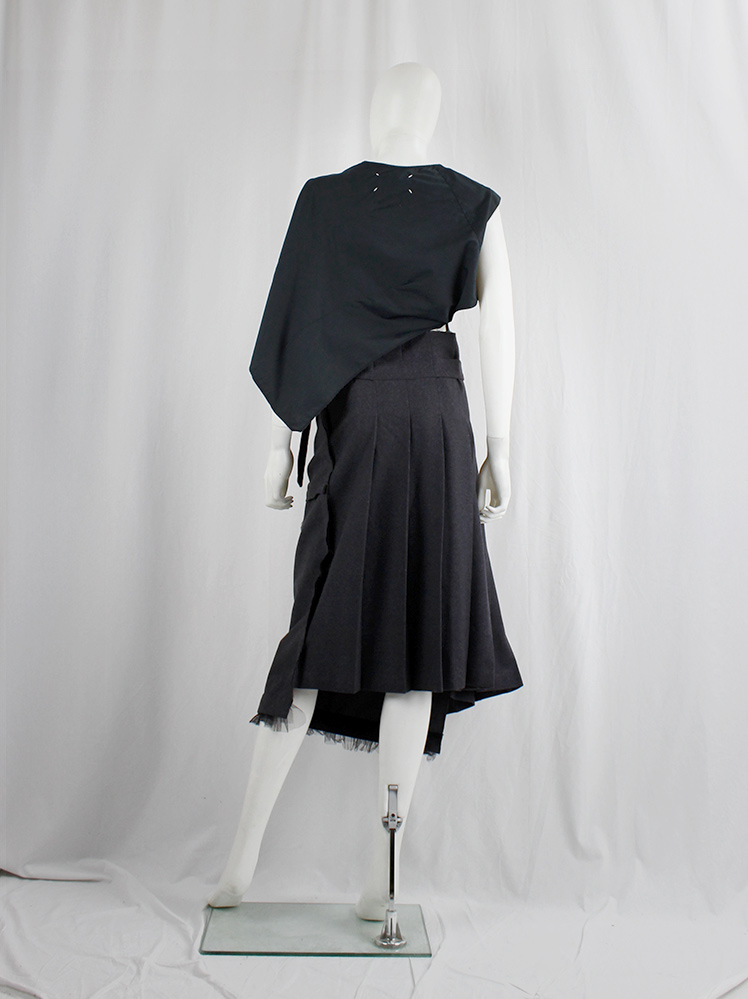
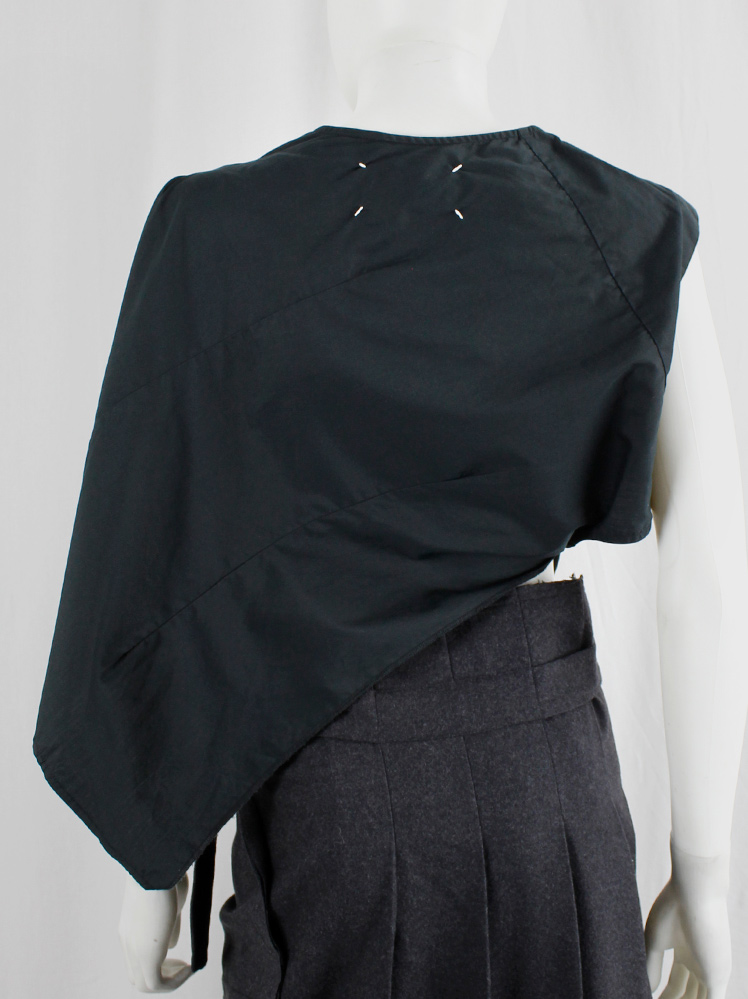
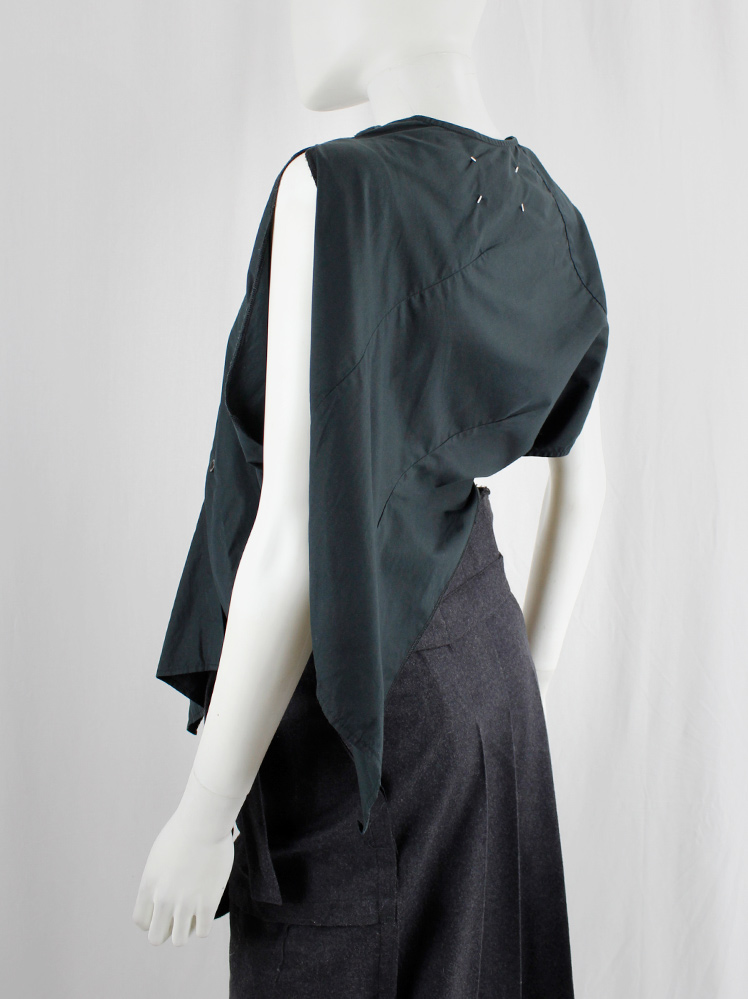
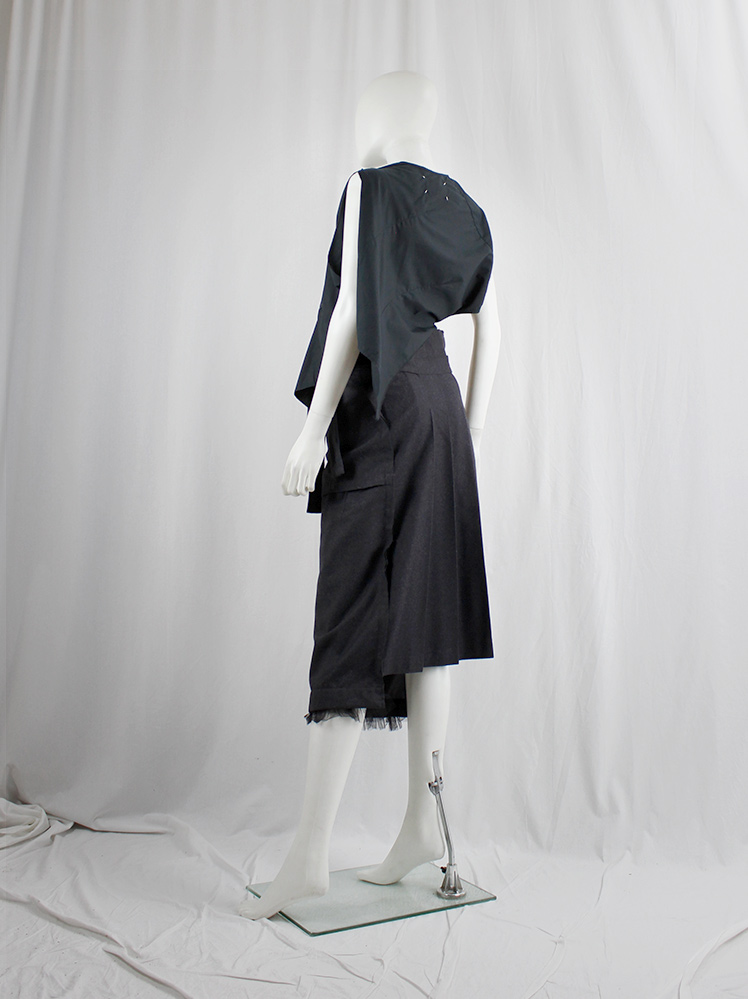
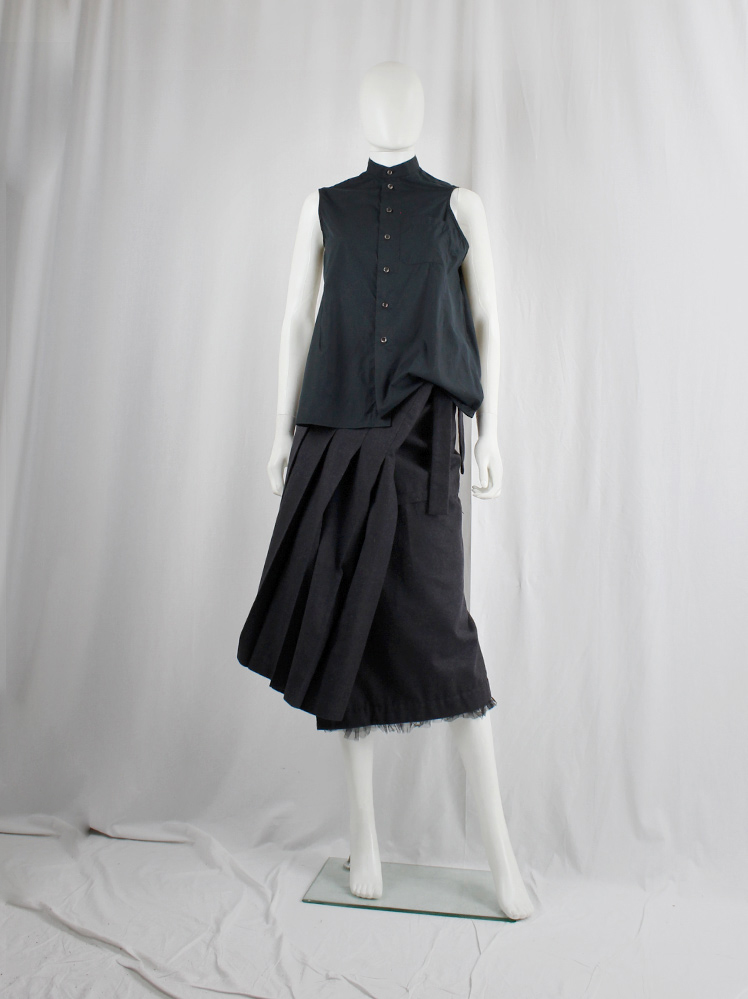
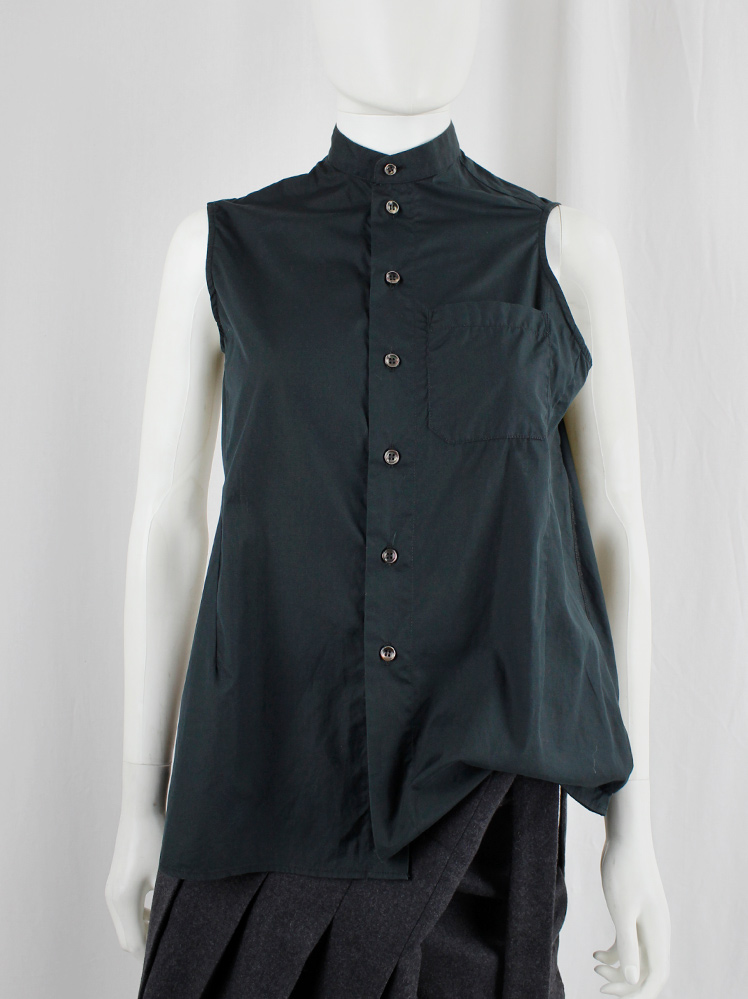
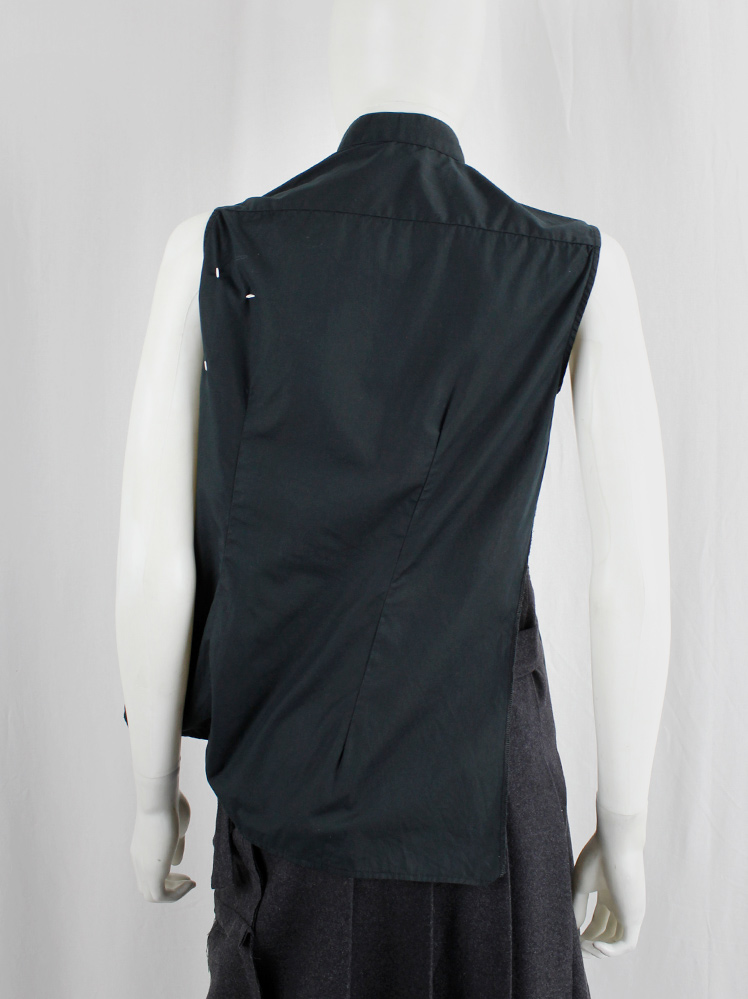
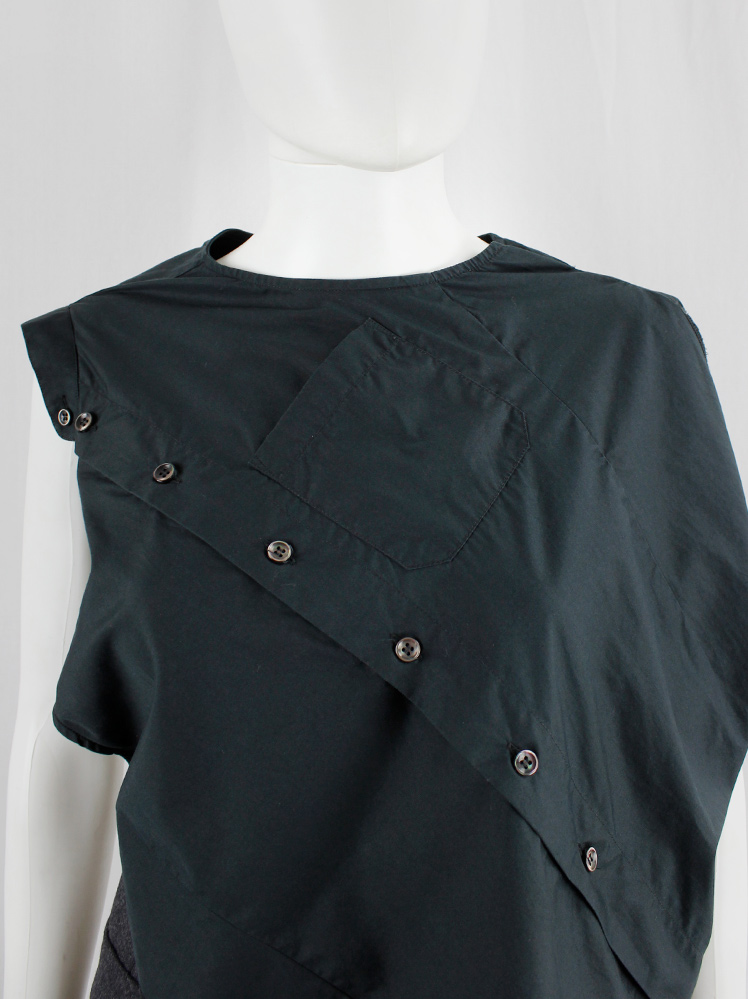
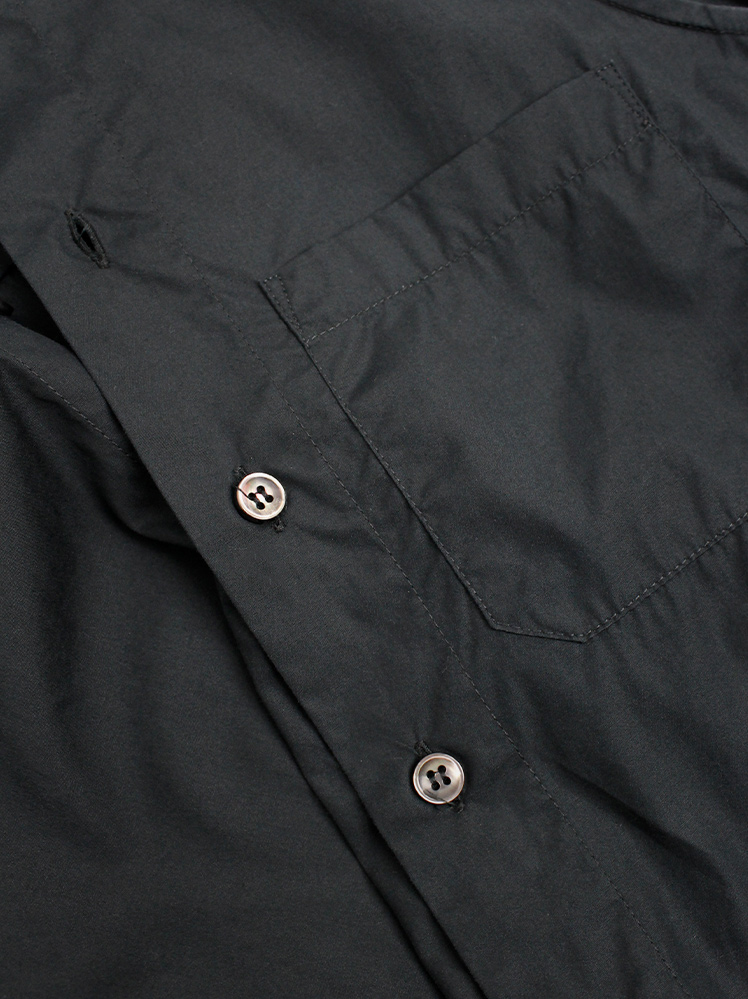
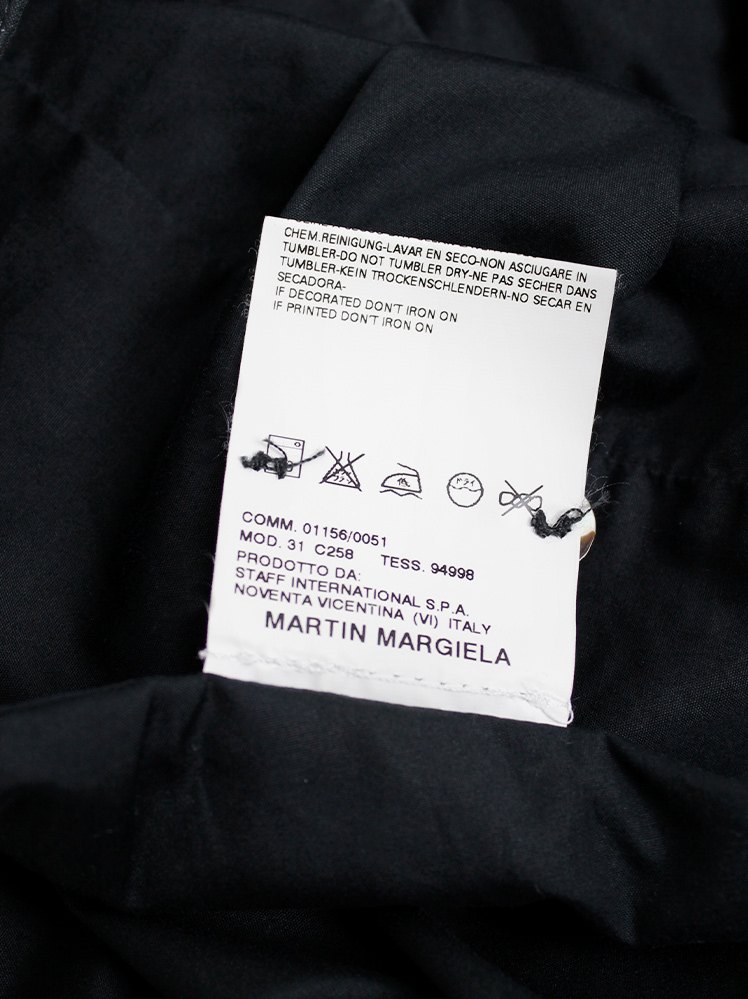

Description
Similar items
-

Kaat Tilley burgundy velvet underbust corset with black boning and long back straps — 1990’s
-

Maison Martin Margiela grey two-dimensional jumper with circular neckline — fall 1998
-

Noir Kei Ninomiya white shirt with chain and large pearls on the collar — spring 2017
-

Dries Van Noten white oversized shirt with embroidered crest — fall 2016
-
 Sold
SoldMaison Martin Margiela 6 denim bleached trousers with darker details — fall 2005
-

Maison Martin Margiela brown and white zigzag ombre shirt with minimalist collar — spring 2007
-

Maison Martin Margiela dark blue mirrored turtleneck jumper with double logos — fall 2000
-

Maison Martin Margiela 6 dark grey short denim jacket — spring 1997
About Maison Martin Margiela
Martin Margiela is a Belgian designer, graduating from the Royal Academy of fine arts in Antwerp.He is often mistaken as one of the ‘Antwerp Six’.
At the time when Ann Demeulemeester,Walter van Beirendonck, Dries Van Noten, Dirk Van Saene, Dirk Bikkembergs and Marina Yee were showcasing in London, Margiela was already working for Jean Paul Gaultier.
Martin Margiela stayed away from the public eye, remaining backstage after his shows and only allowing press to contact hem via fax.
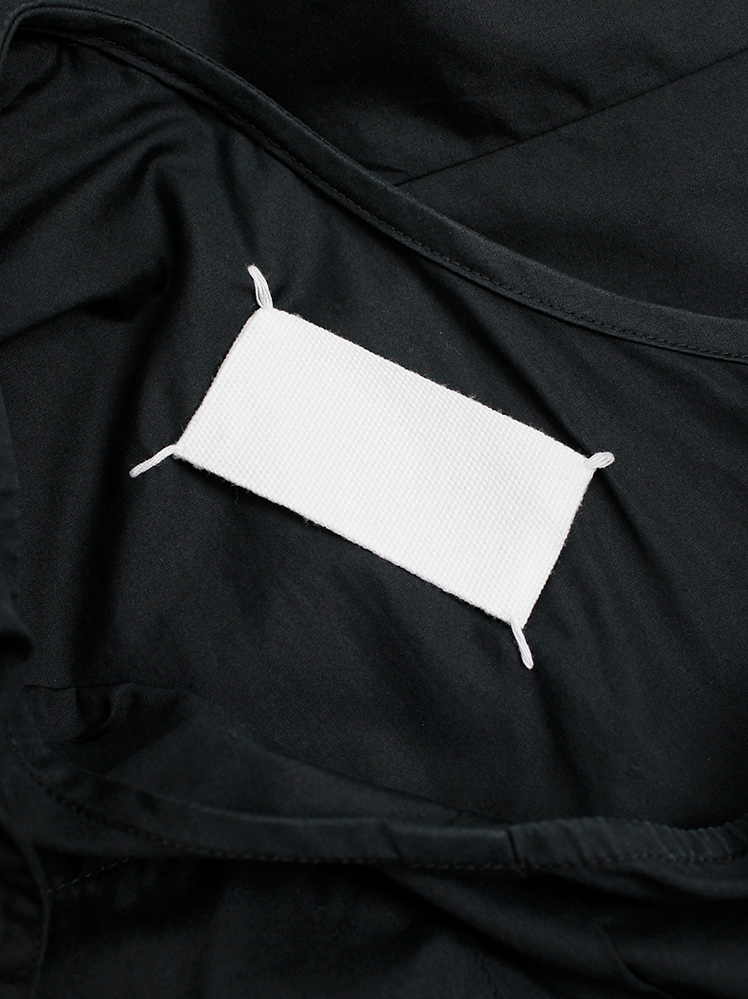
Maison Martin Margiela’s discreet brand label consists of a blank piece of cloth or with the numbers 0-23. The trademark is attached with four small, white stitches, visible on the outside on unlined garments. The concept behind this was so the tag could be cut out, making the garment anonymous like it’s creator.
Margiela’s work is highly conceptual; a large piece of his repertoire is playing with conventions and recycling. Influenced by Rei Kawakubo, he works with deconstructed garments and frayed edges, nevertheless are his garments perfectly tailored. A lot of his work also includes trompe-l’oeil, a reference to René Magritte.
Martin Margiela was appointed as a Guest member of the Chambre Syndicale de la Haute Couture in 2010. His work is more often talked about as ‘art’ rather than fashion. His most iconic piece is his tabi boot, Margiela’s interpretation of Japanese split-toe tabi socks.


